FigureLabs creates figure from sketches or text in minutes.
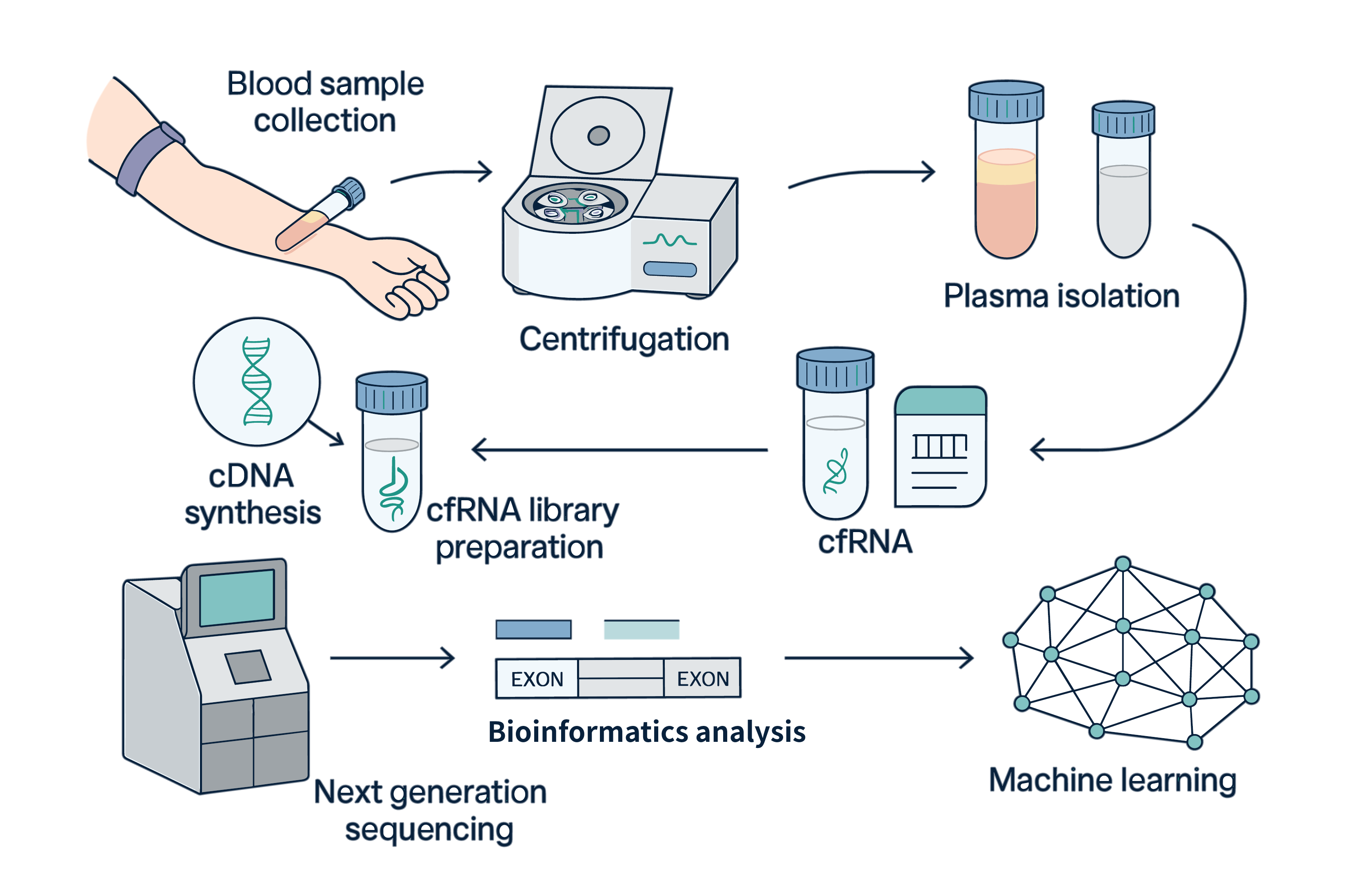
How FigureLabs' Four Core Functions Enhance Scientific Visual Communication
In modern scientific research, the importance of scientific visual communication is increasingly prominent. A high-quality figure can transcend language barriers, intuitively present complex experimental data, theoretical models, or research workflows, serving as a bridge between research findings and readers. However, transforming raw data, hand-drawn sketches, or blurry images into publication-ready images that meet academic journal requirements has always been a challenge for researchers. Traditional methods are time-consuming and demand high drawing skills.
FigureLabs, as a fully AI-driven scientific illustration tool, was born to address this pain point. With its powerful four core functions, it covers all aspects of scientific illustration, aiming to help scientists and researchers easily achieve their goals from initial concept to final publication, comprehensively improving the efficiency and quality of the scientific illustration workflow.
FigureLabs' Four Core Functions: Empowering Scientific Illustration Comprehensively
Each function of FigureLabs is closely aligned with the practical needs of researchers, utilizing AI technology to simplify complex operations and ensure the professionalism and accuracy of the final results.
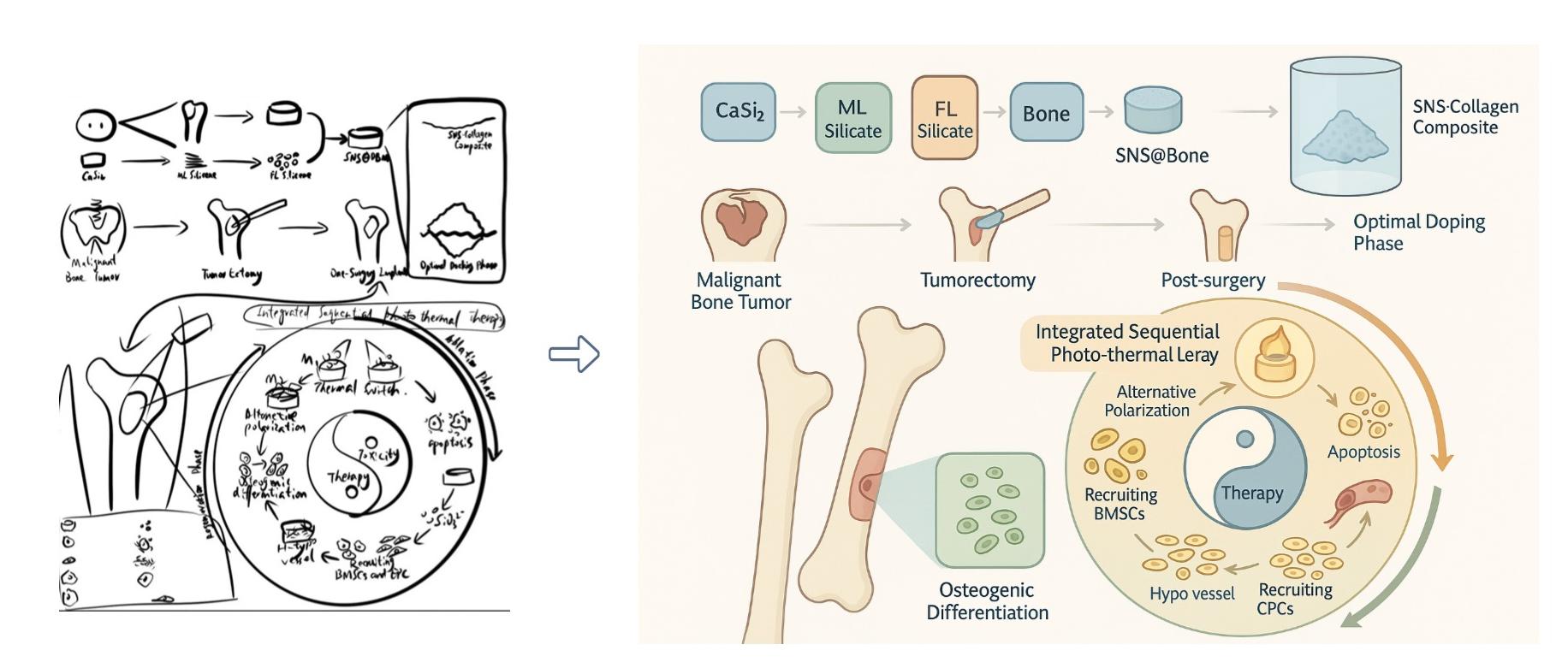
1. Sketch-to-Figure: Transforming hand-drawn sketches into Professional Figures
Have you ever been frustrated about how to transfer your hand-drawn sketches to the computer? FigureLabs can help!
FigureLabs' "Sketch-to-Figure" function is designed precisely for this purpose. This feature transforms scientists' hand-drawn sketches into professional, accurate scientific images with AI assistance. By extracting data from manuscripts, generating appropriate chart types, and offering customizable templates, it enables researchers to create journal-ready visuals in minutes, eliminating the need for complex design software.
This function greatly simplifying the complex process of manuscript to figure conversion, allowing your research findings to be presented in the clearest and most professional manner.
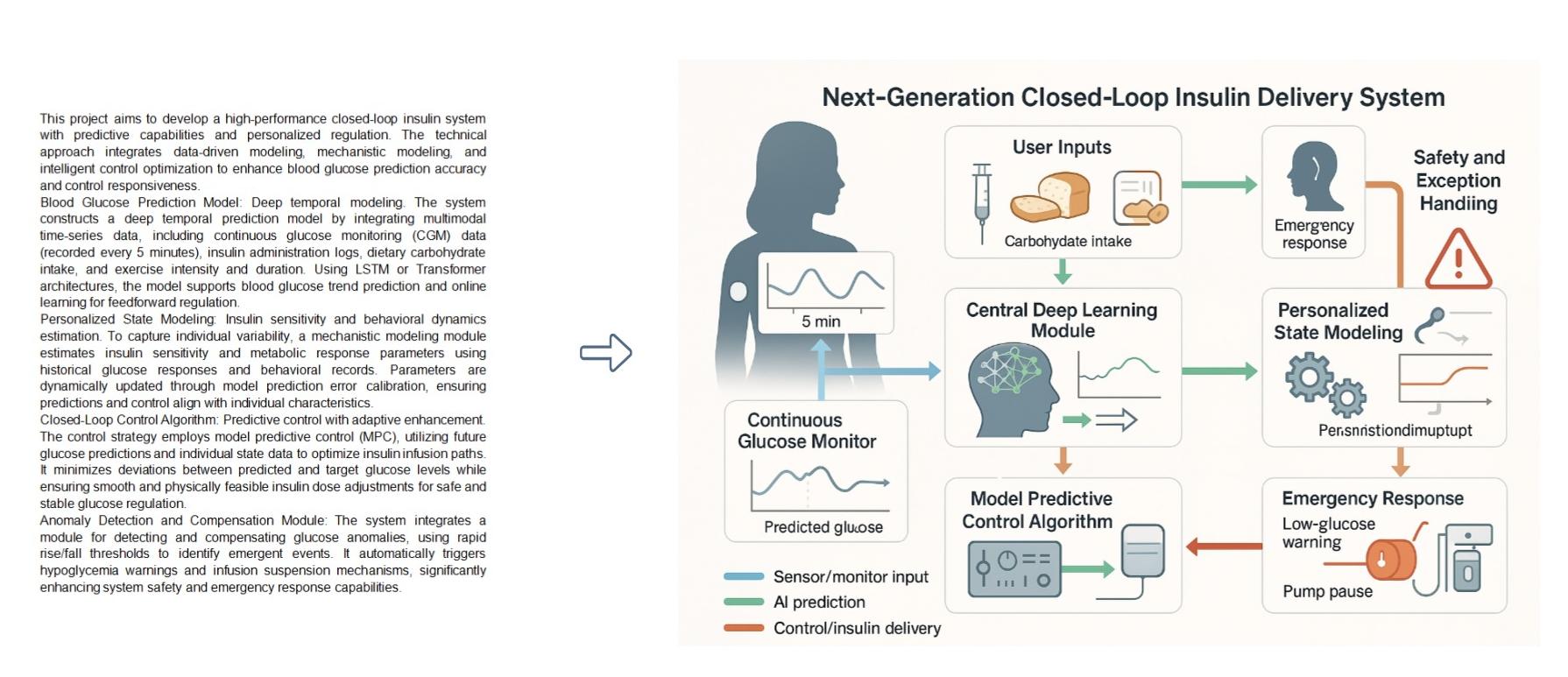
2. Text-to-Figure: Extracting Visual Information from Vast Literature
Researchers often need to obtain data or figure information from a large volume of literature. FigureLabs' "Text-to-Figure" function makes this process unprecedentedly efficient:
- PDF and document import: Directly import PDF-formatted literature or various documents, and AI will automatically parse the content.
- Data extraction from images: Even if the data in the literature is presented in image form, AI can intelligently identify and extract the data, converting it into an editable format.
- Bibliographic referencing: Automatically associates and generates standardized bibliographic references, ensuring the traceability of figures and compliance with academic norms.
This function is a true automated literature illustration tool, helping you quickly draw inspiration and data from existing research, accelerating your research process.
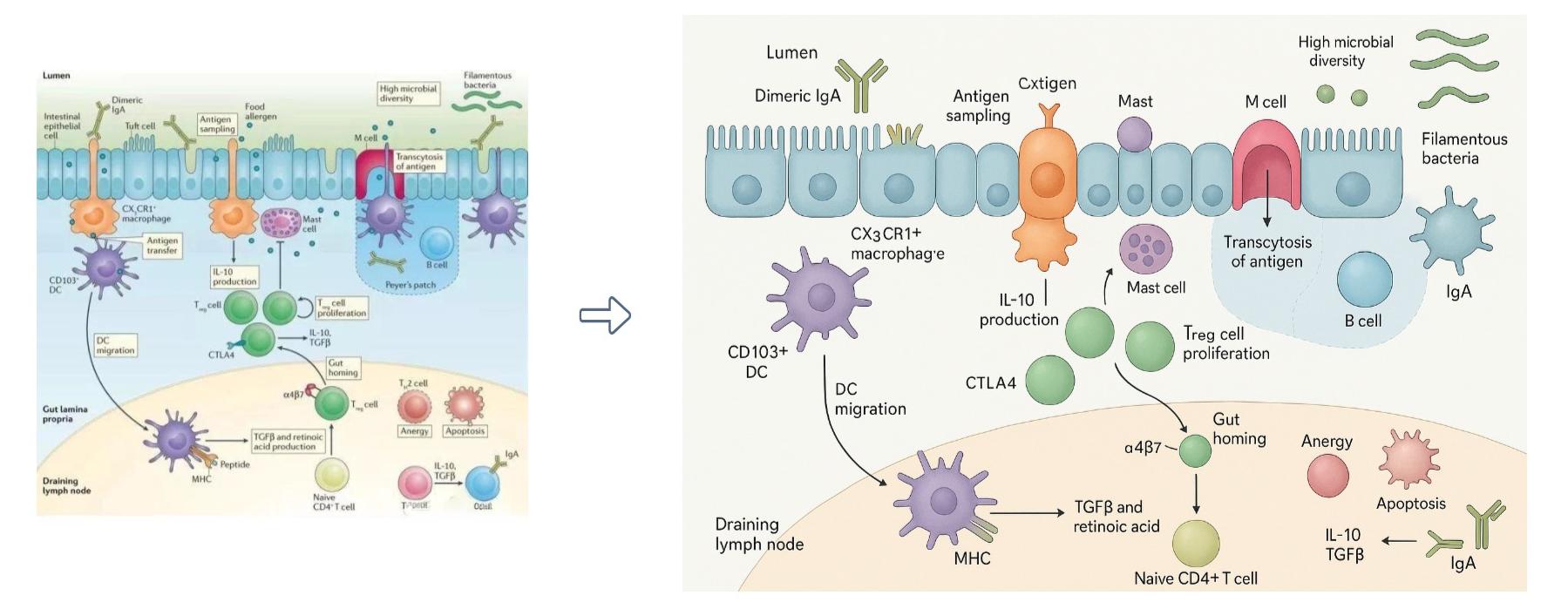
3.Figure Refiner: Making Your Images Crystal Clear
In scientific papers, the clarity and quality of images are crucial. FigureLabs' "Figure Refiner" function can professionally optimize blurry or low-quality images, ensuring your scientific images are clarified and meet publication standards:
- Resolution enhancement: Intelligently enhances image resolution, making details clearer.
- Color correction: Automatically adjusts image colors to better suit visual habits and academic requirements.
- Noise reduction: Eliminates noise from images, improving overall visual quality.
This function ensures that every one of your images is presented in its optimal state, preventing image quality issues from affecting the acceptance of your paper.
4. Image Vectorization: Achieving Infinitely Scalable Professional Figures
Raster images tend to lose quality when enlarged, while vector graphics can maintain infinite scalability without distortion, making them ideal for professional publication. FigureLabs' "Image Vectorization" function can convert your raster images into high-quality vector graphics:
- Scalable vector output: Converts raster images to vector formats like SVG, ensuring images remain sharp at any size.
- Editable shapes and paths: Converted vector graphics can be easily edited in professional software to adjust shapes and paths.
- Maintains original details: AI intelligently identifies and preserves key details of the original image, ensuring conversion accuracy.
This image vectorization tool gives your figures the highest professional standard, presenting excellent results whether for print or online display.
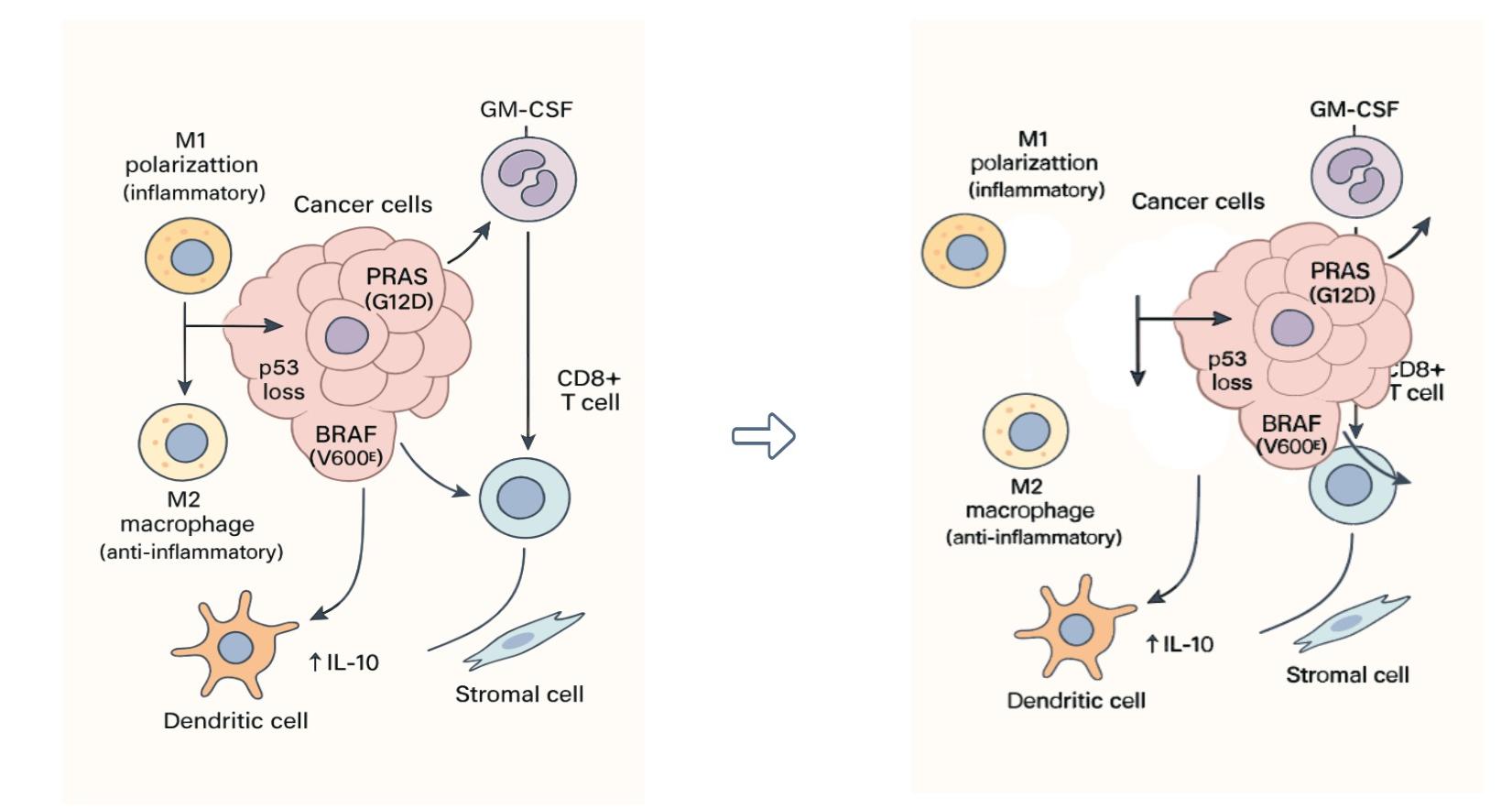
FigureLabs: Enhancing Paper Quality, Accelerating Research Progress
FigureLabs' four core functions collectively build a powerful and intelligent data visualization software platform. It not only simplifies the complexity of paper illustration creation but also fundamentally elevates academic figure standards. With FigureLabs, researchers can dedicate more energy to scientific discovery itself, rather than being bogged down by tedious illustration work. It truly realizes the vision of "what you see is what you publish," making high-quality scientific visual communication accessible and thereby accelerating the dissemination and translation of research findings, pushing the boundaries of human knowledge.