
Your research,
our thank-you.
Used FigureLabs in a published paper?
Acknowledge it and receive 1–3 months of Pro after verification.

IF40.1
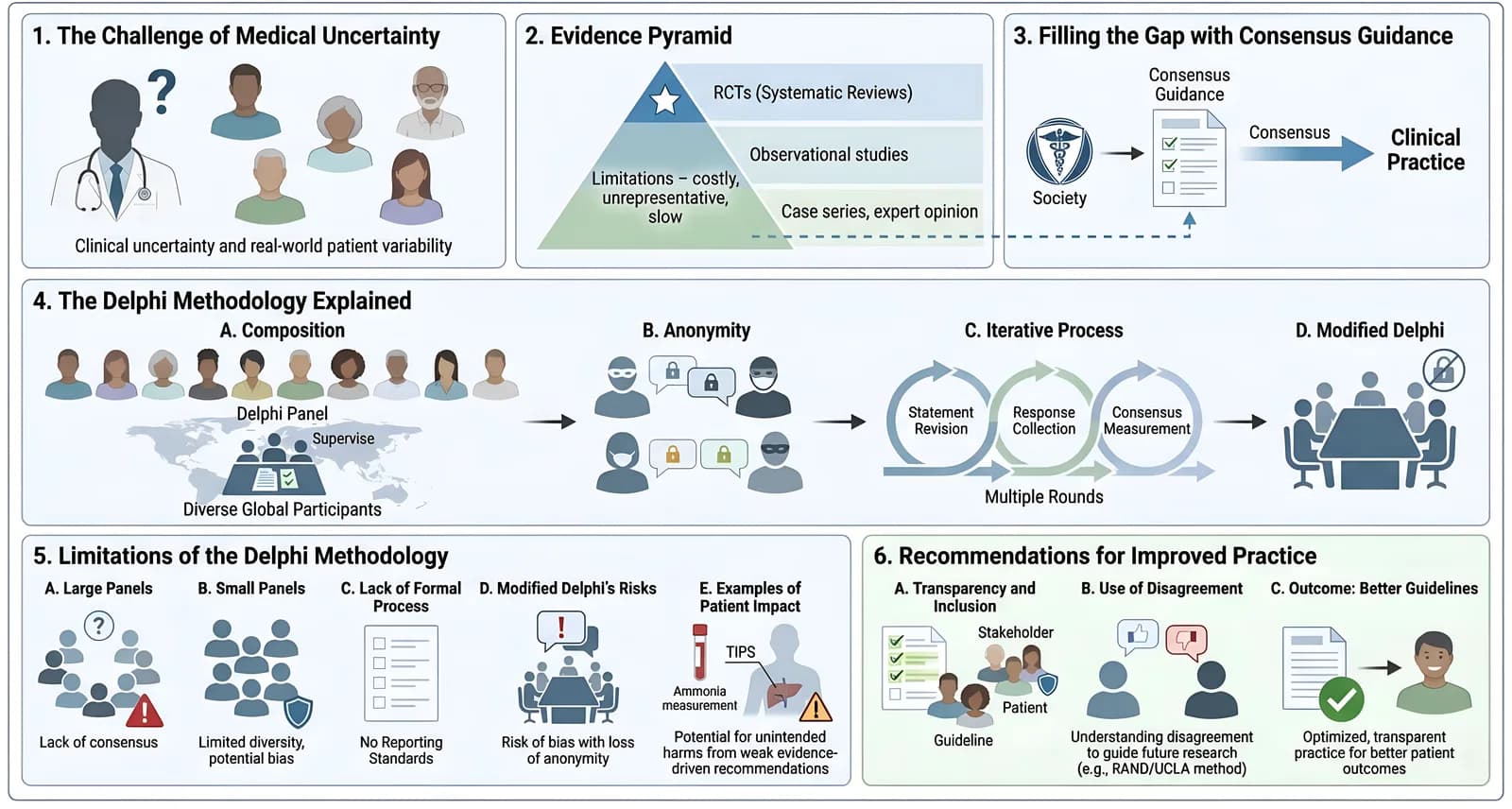
Agree to disagree: Increasing the impact of recommendations formulated through Delphi methodology

IF45.1
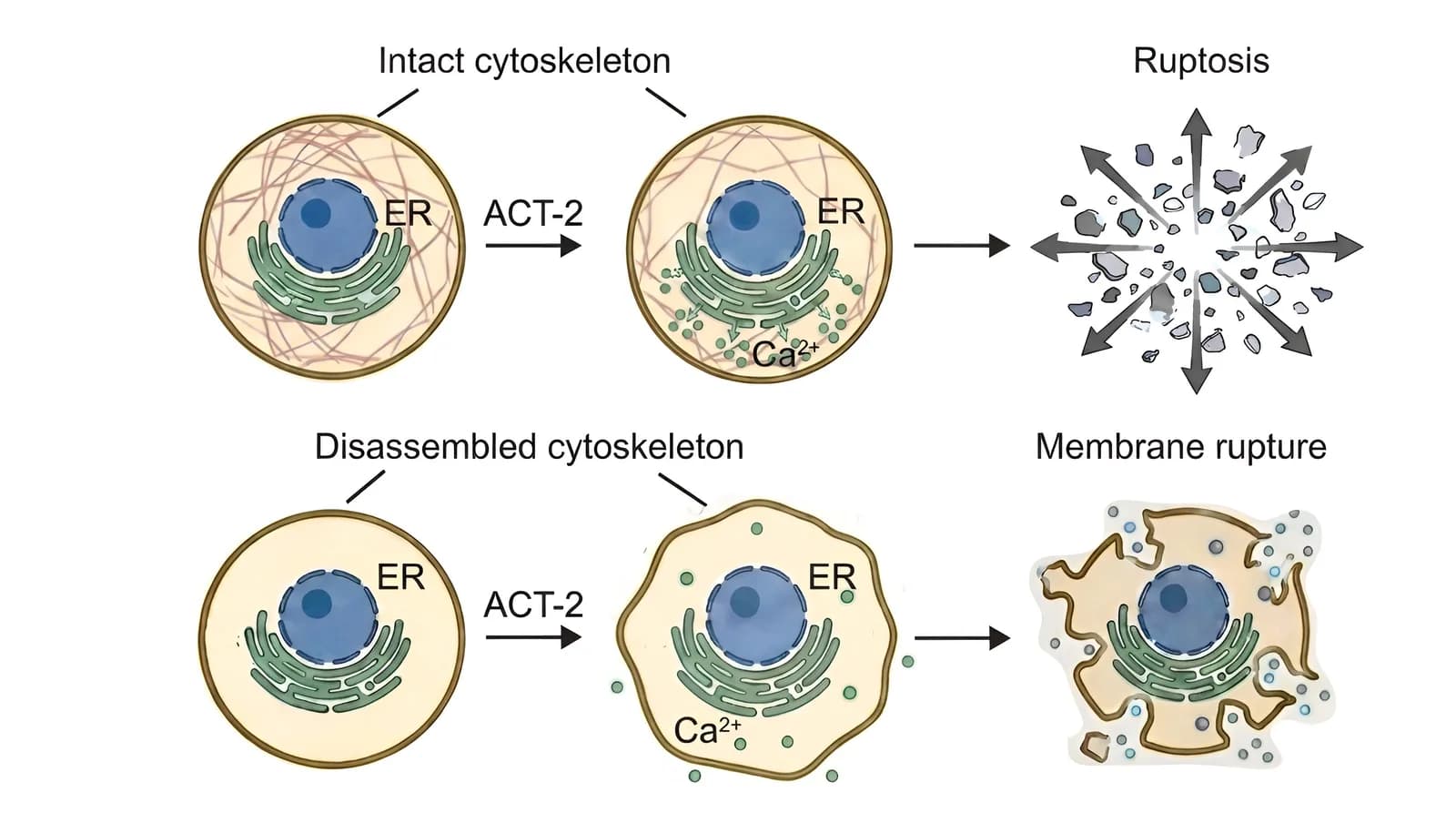
Explosive cytotoxicity of ruptoblasts bridges hormone surveillance and immune defense

IF31.1
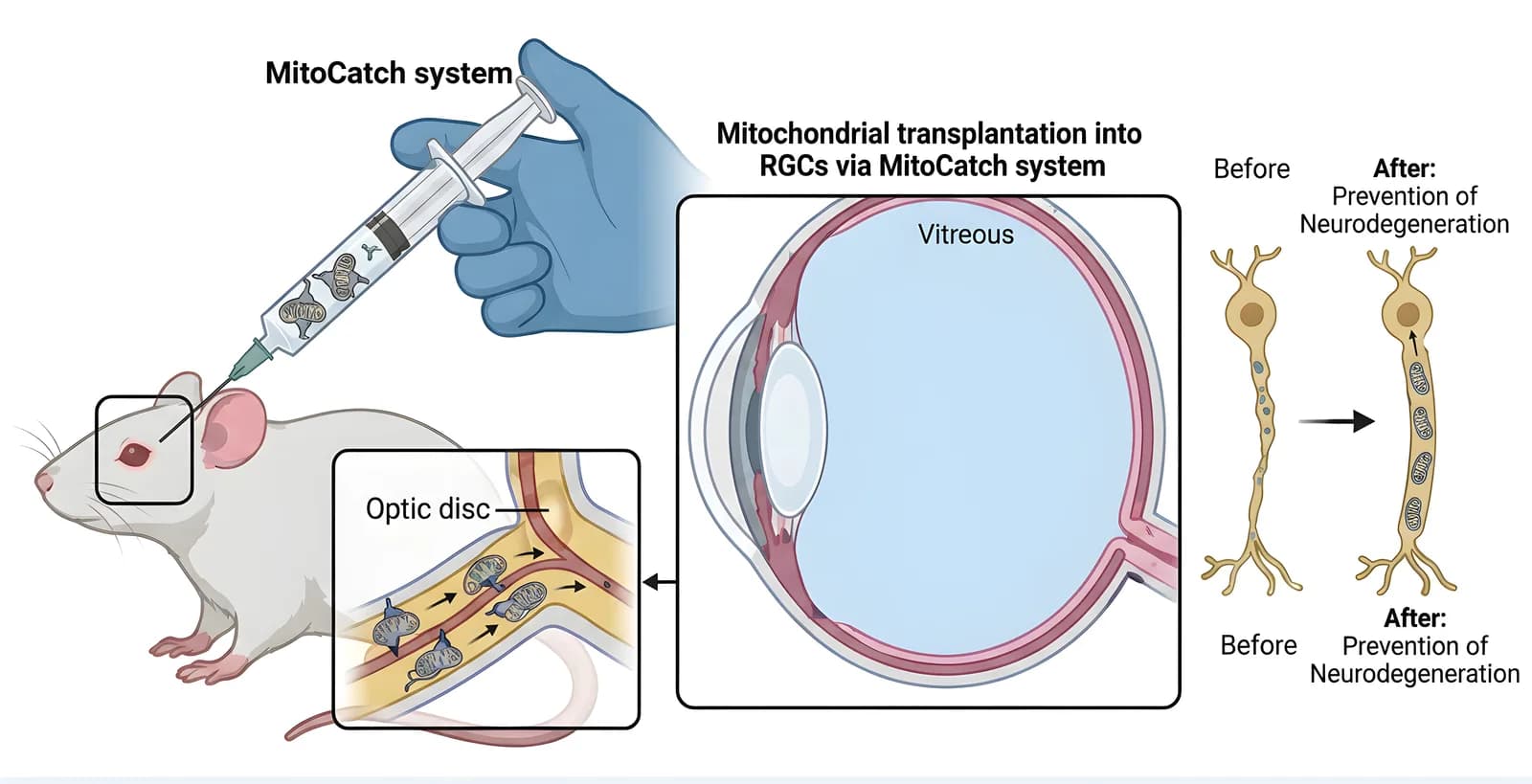
MitoCatch directs mitochondria delivery and prevents cell degeneration

IF22.7
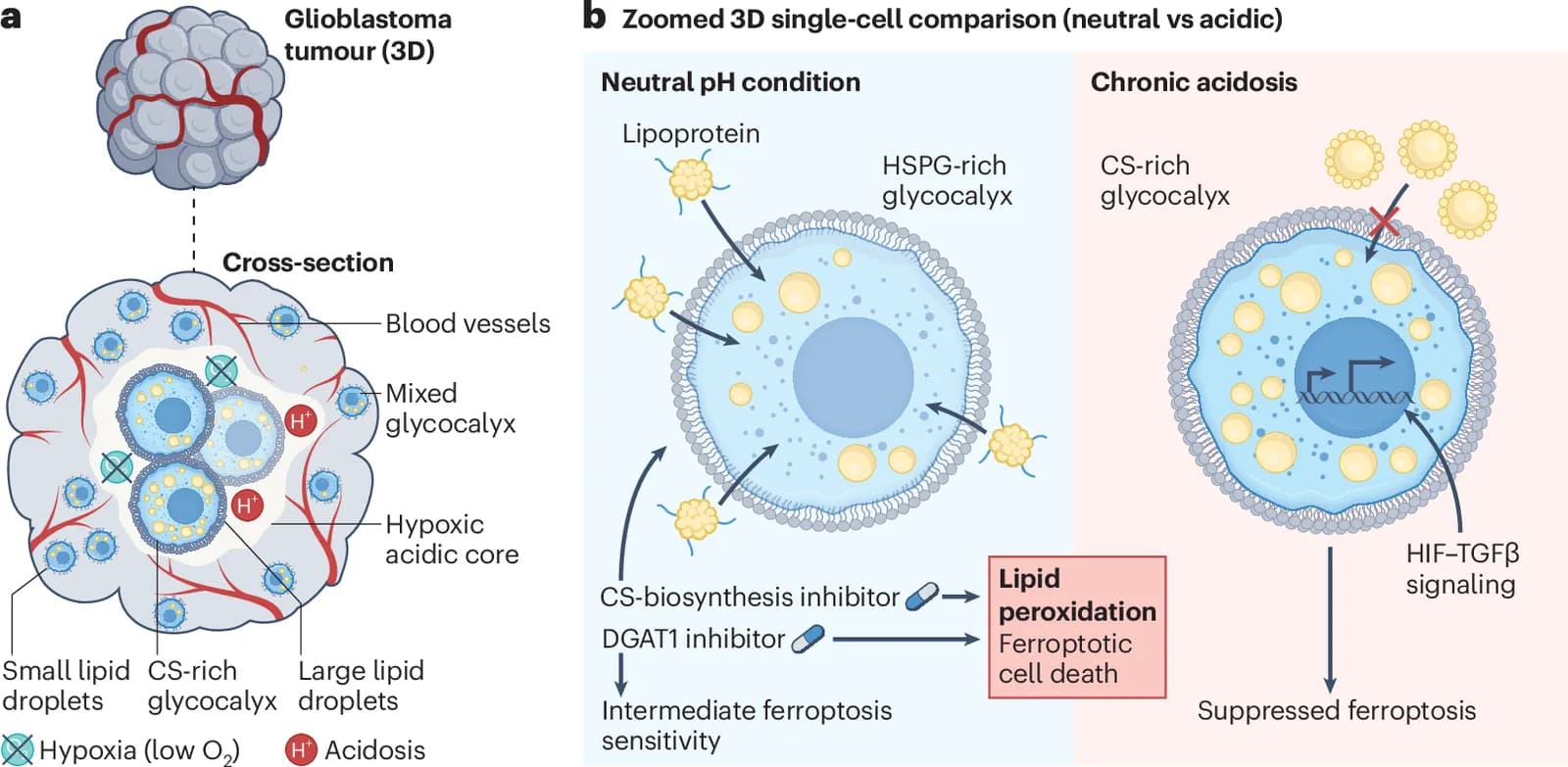
Acidic niche sugar shield blocks ferroptosis: Cancer

IF12.5
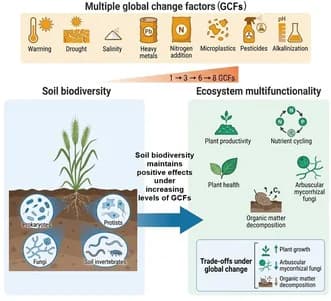
Soil Biodiversity Supports Agroecosystem Services Under Multiple Global Change Factors

IF15.5
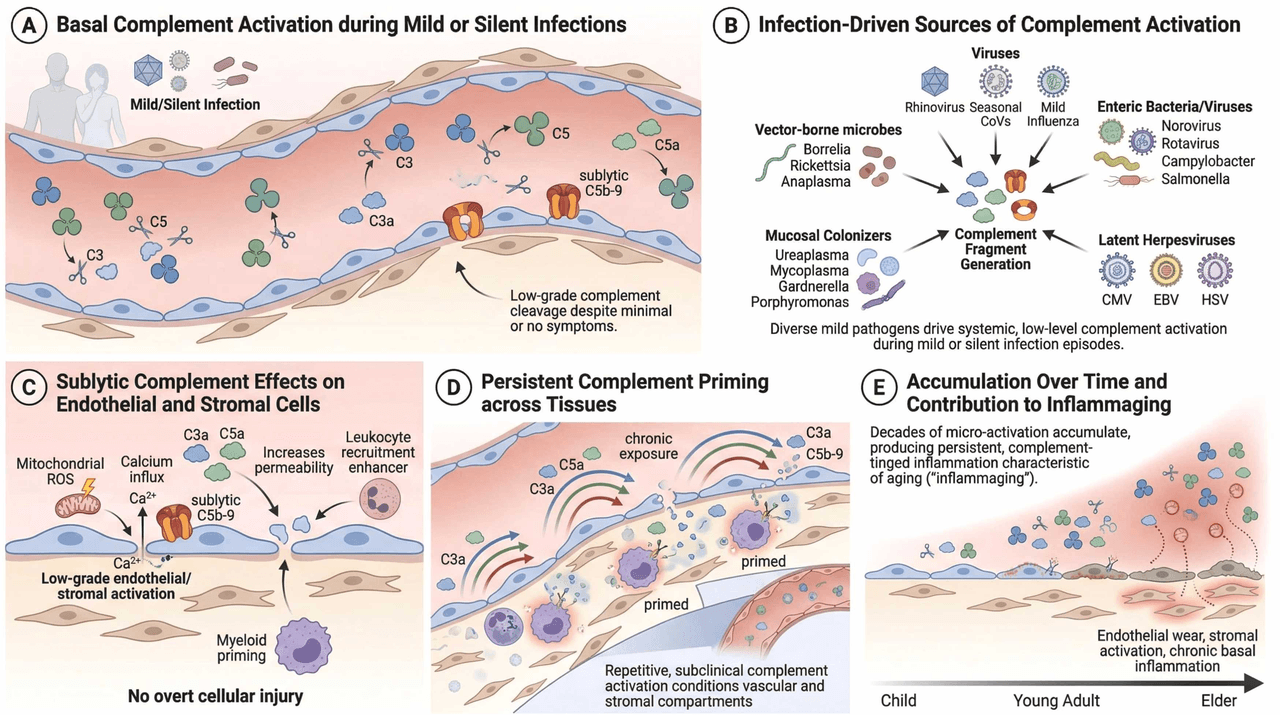
The silent infection load: How lifelong asymptomatic infections may contribute to inflammaging as an evolutionary trade-off of longevity

IF15.7

Neurogenic gastrointestinal, urinary, and sexual dysfunction in multiple sclerosis: a multidisciplinary framework for clinical practice

IF42.2
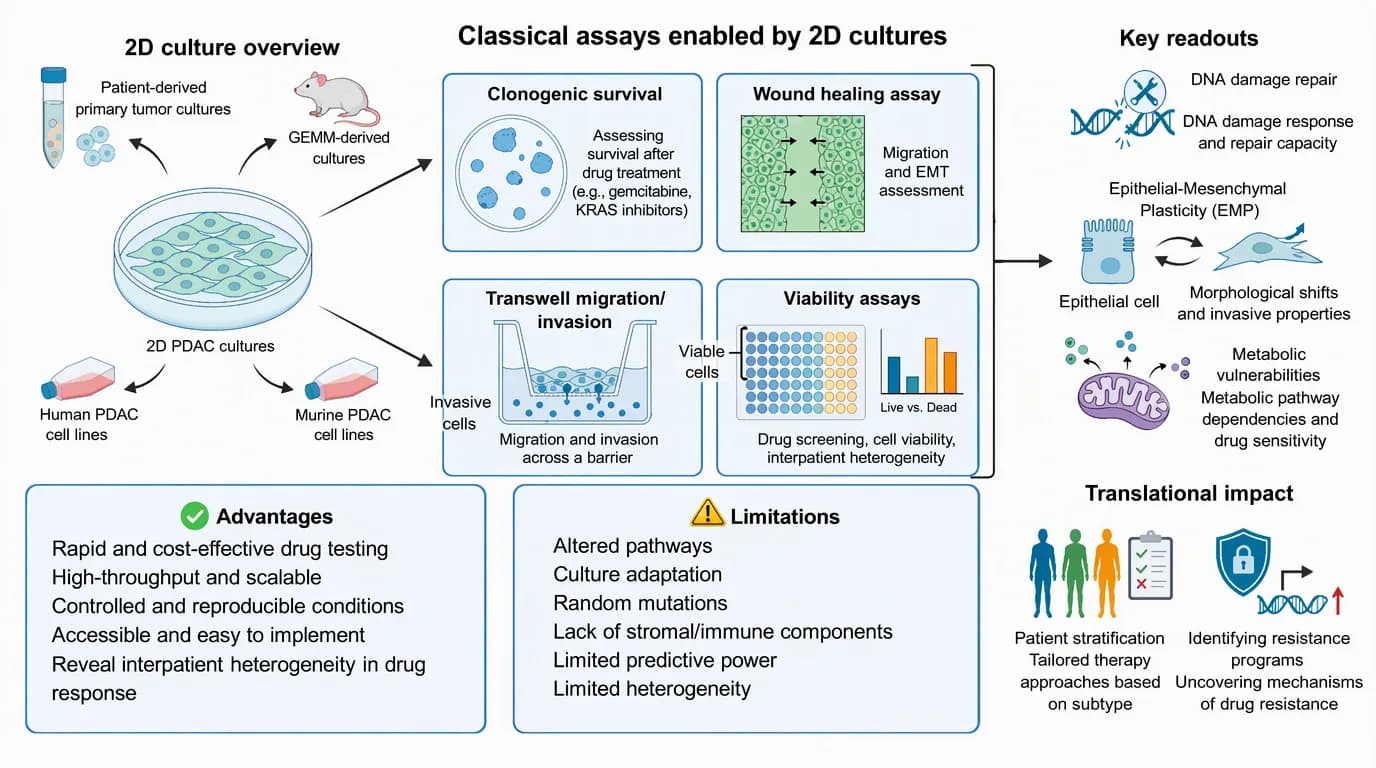
Unifying functional experimental systems with clinical predictive technologies for personalized care in PDAC

IF23.8
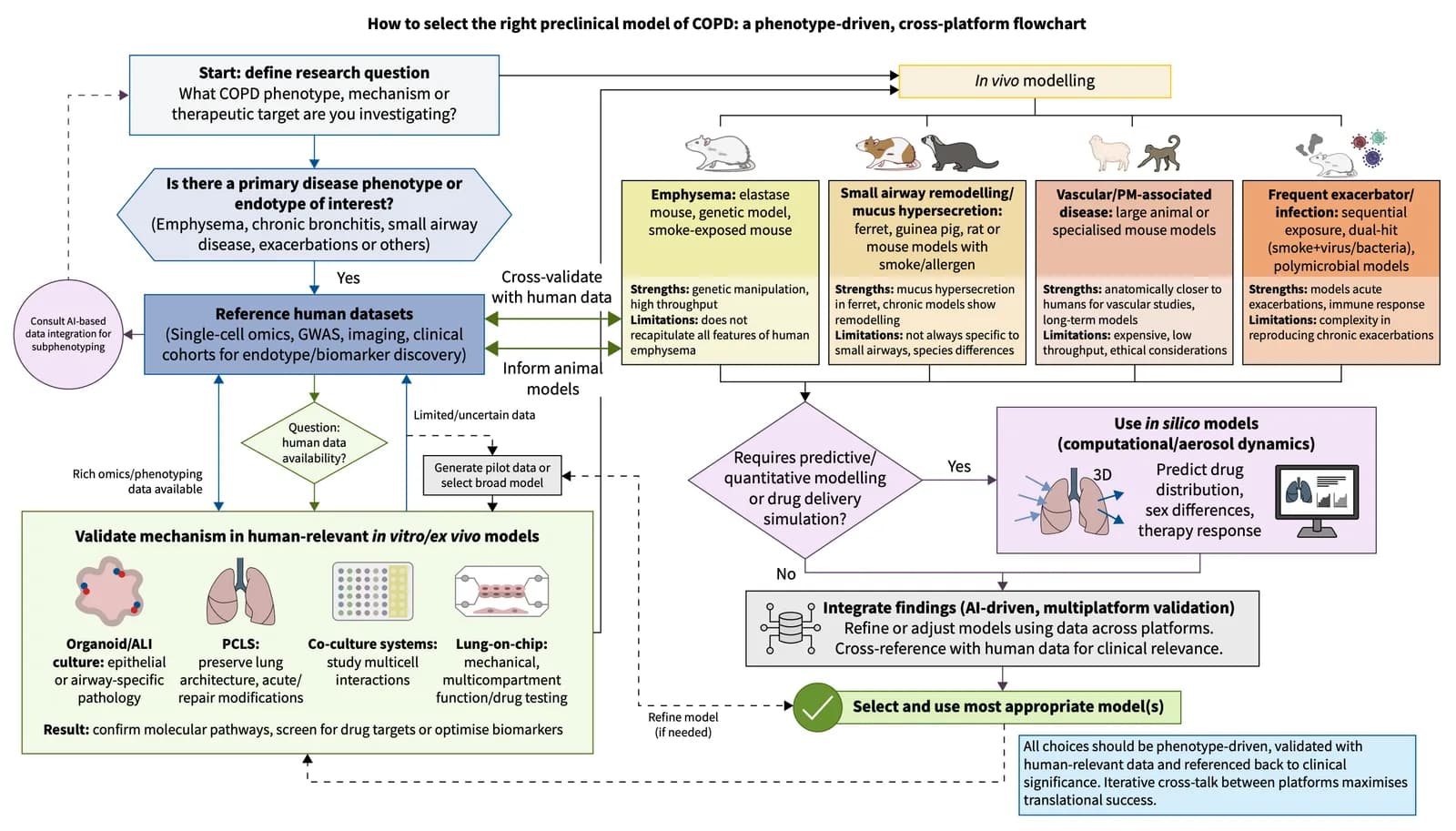
Preclinical models of COPD: a state of the art review

IF23.6
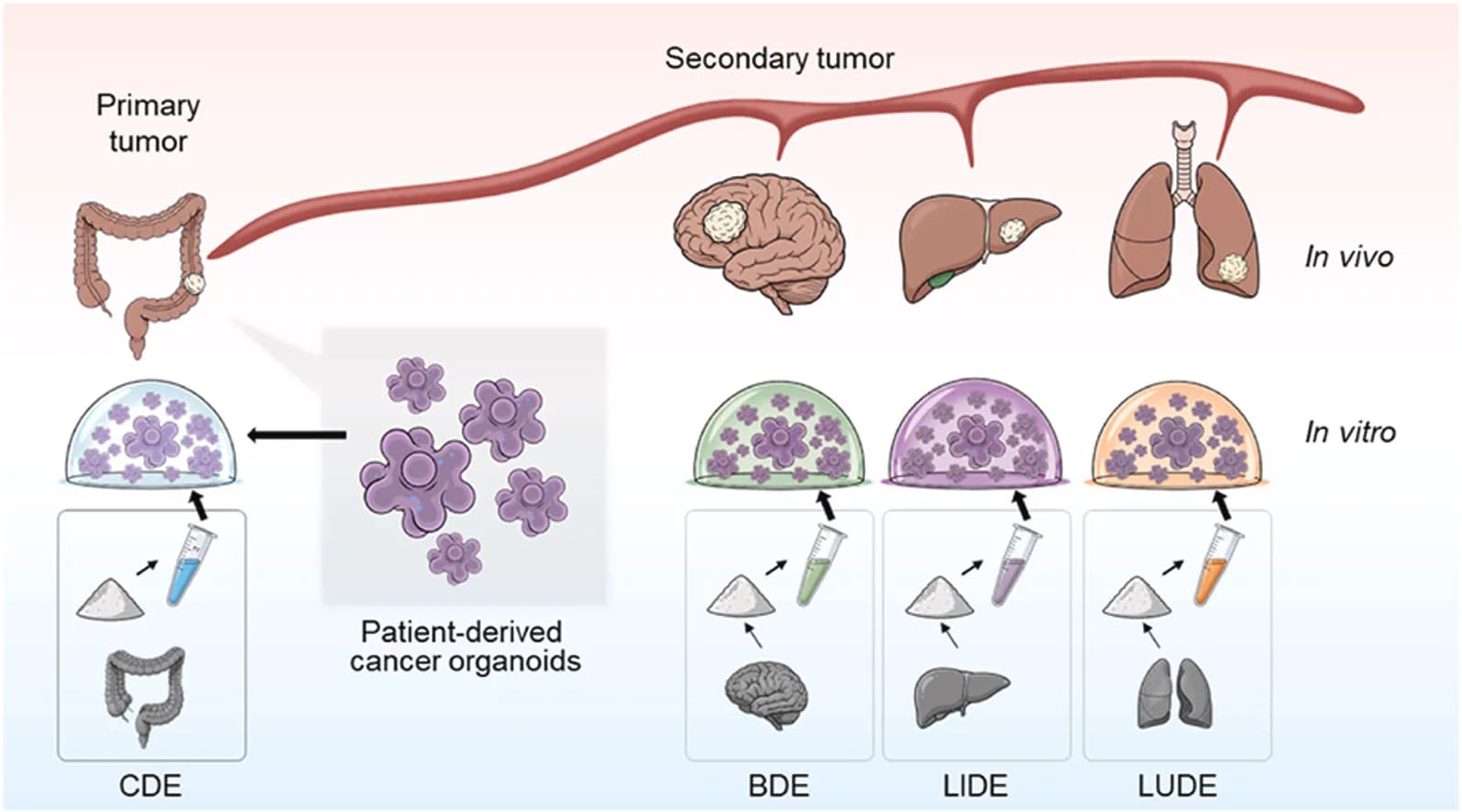
Tissue-derived extracellular matrix hydrogels instruct epigenetic adaptation in metastatic colonization

IF13.8
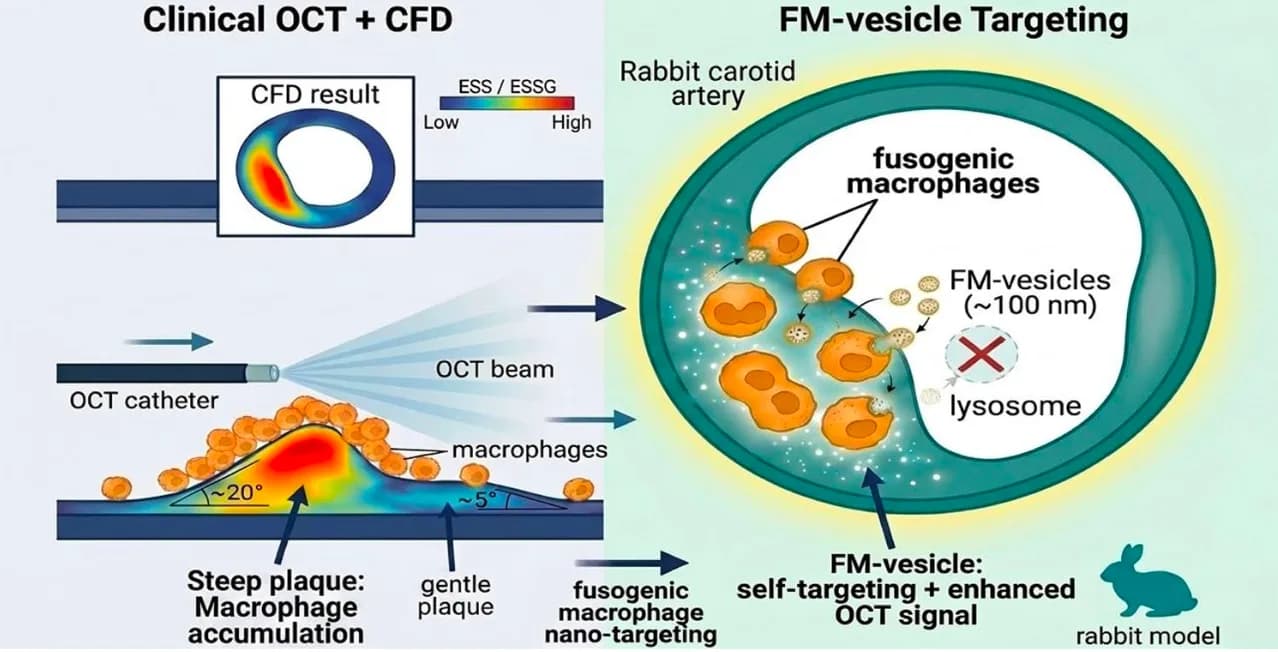
Clinical OCT computation-modeled prognosis of coronary plaque progression with validation by fusogenic macrophage nano-targeting

IF13.5
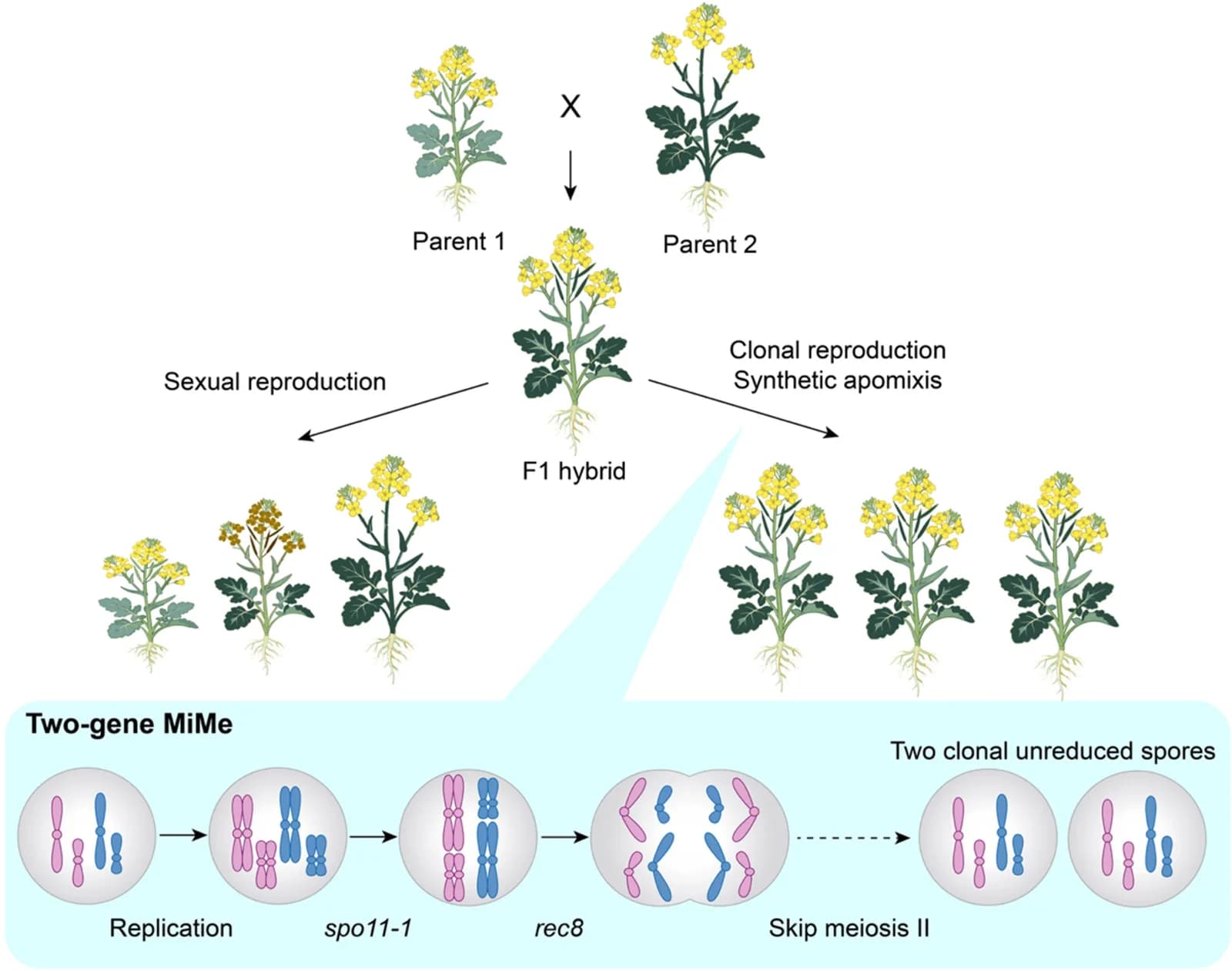
Photocopying the genetic lottery: a 2-gene shortcut to clonal seeds in rapeseed

IF11.6
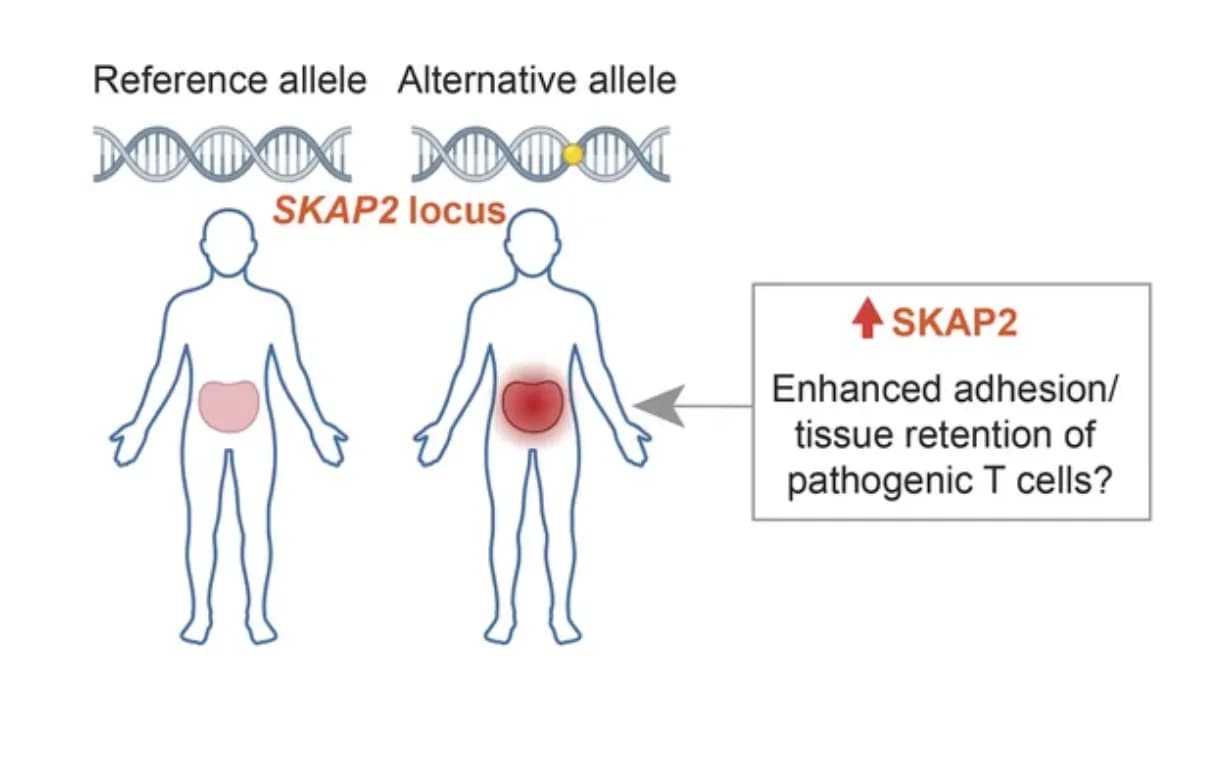
A genetically regulated SKAP2 switch modulates human T lymphocyte adhesion and migration

IF14.1
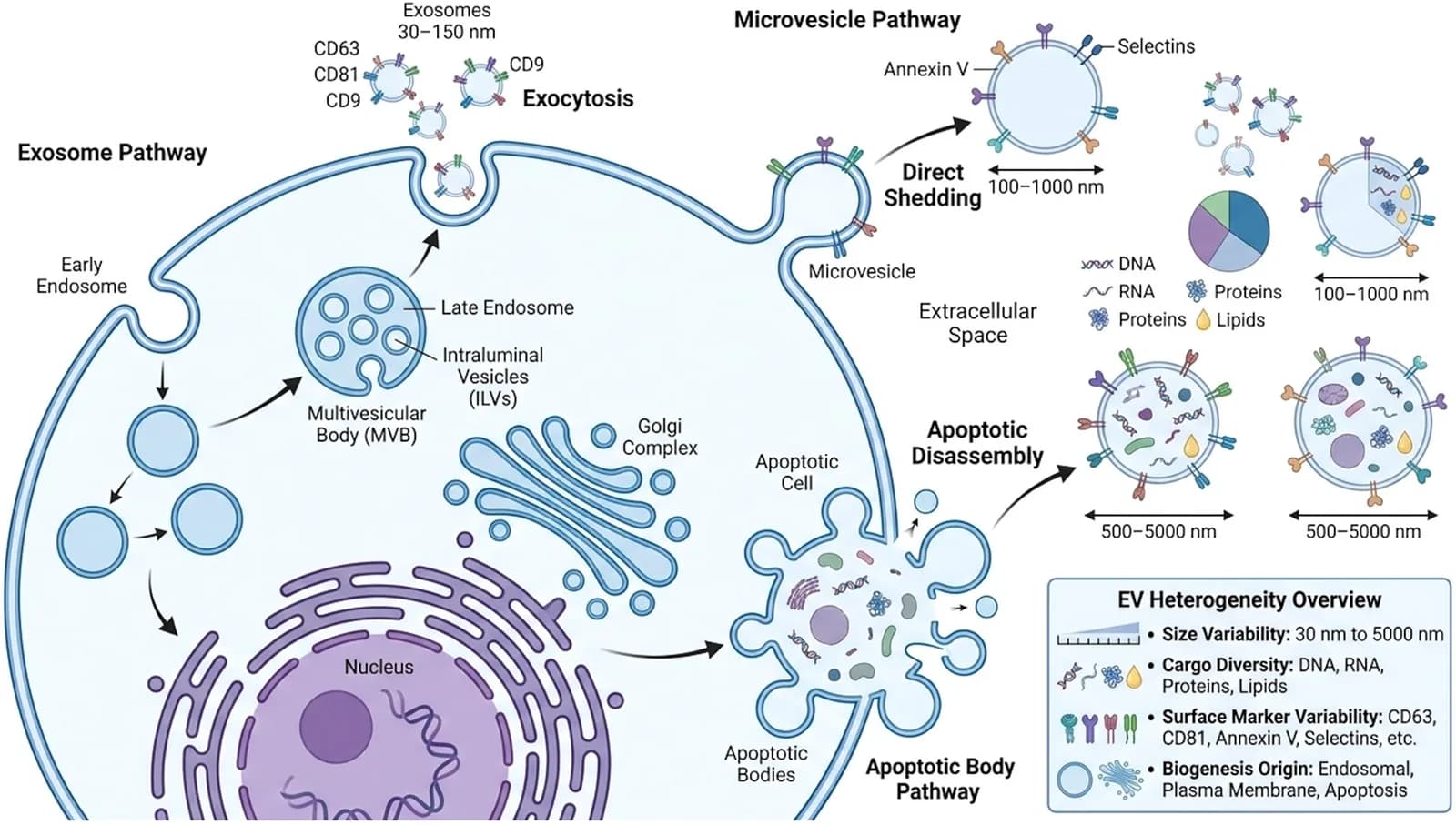
Extracellular Vesicles: Classification, Biological Functions, Diseases, and Therapeutic Opportunities

IF17.3
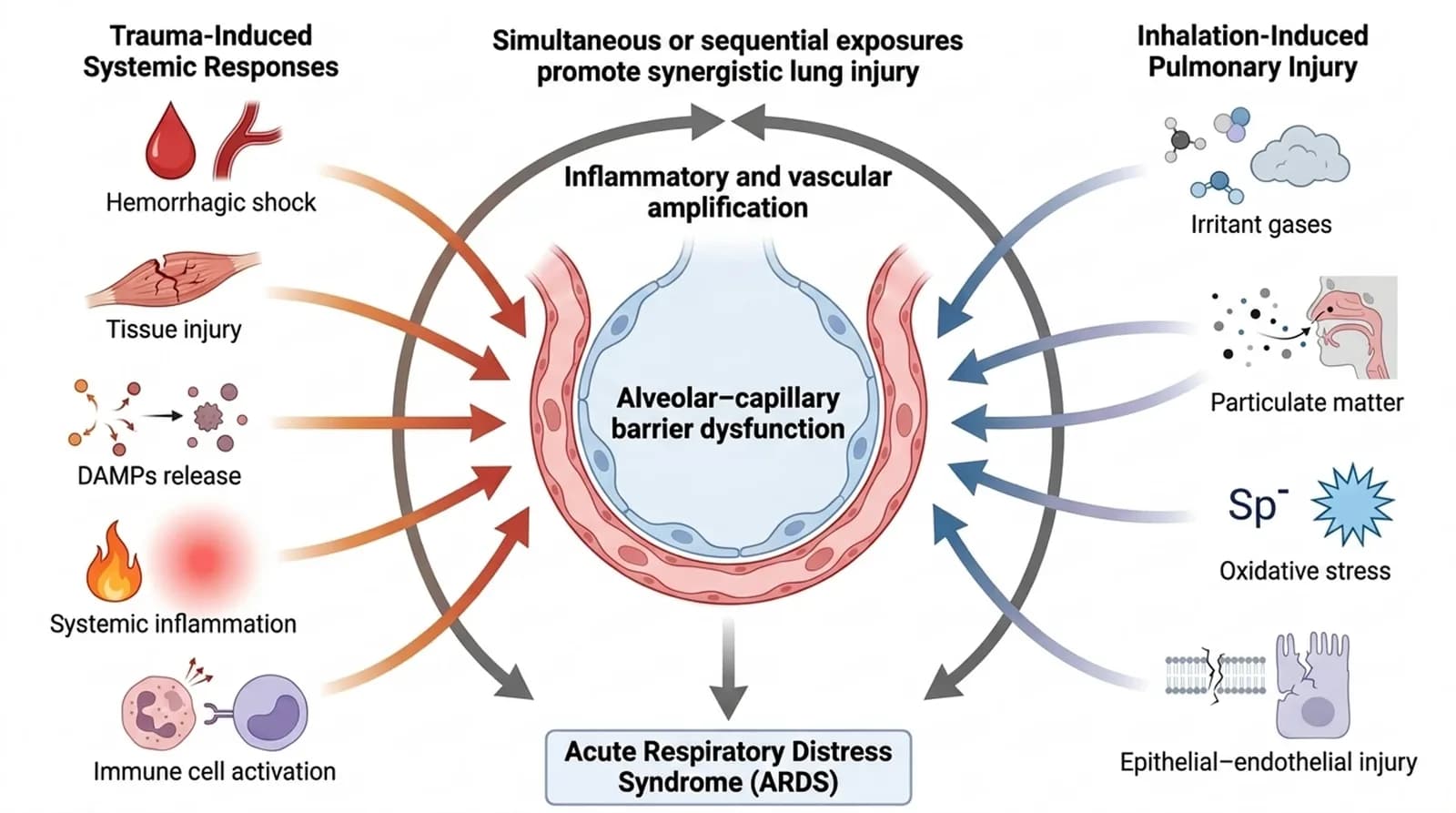
Proteinized Surface Remodeling Decouples Environmental Stability from Intracellular Degradation in Oxidation-Prone 2D Nanoborophene

IF17.3
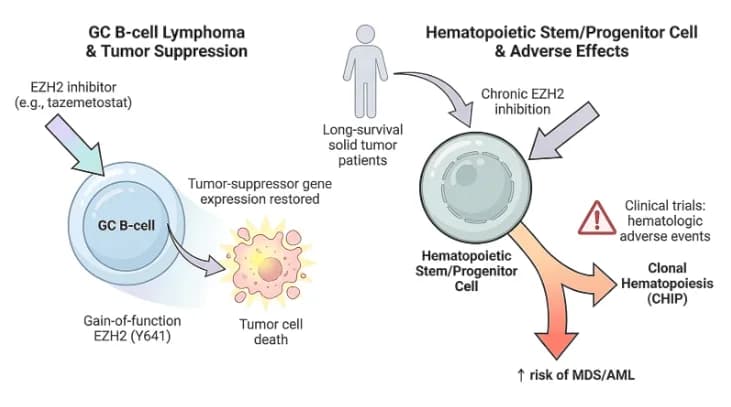
Multiplex K-Edge Nanoprobe Imaging Enables 3D Volumetric Molecular Phenotyping of Human Hematoma Membranes

IF15.8
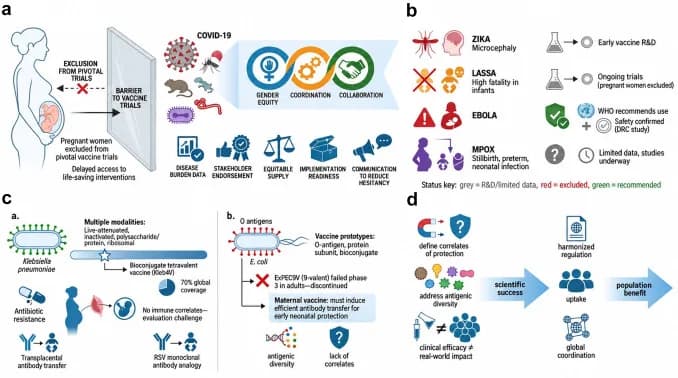
The next generation of maternal vaccines: scientific advances, regulatory readiness, and strategic planning in Europe

IF22.6
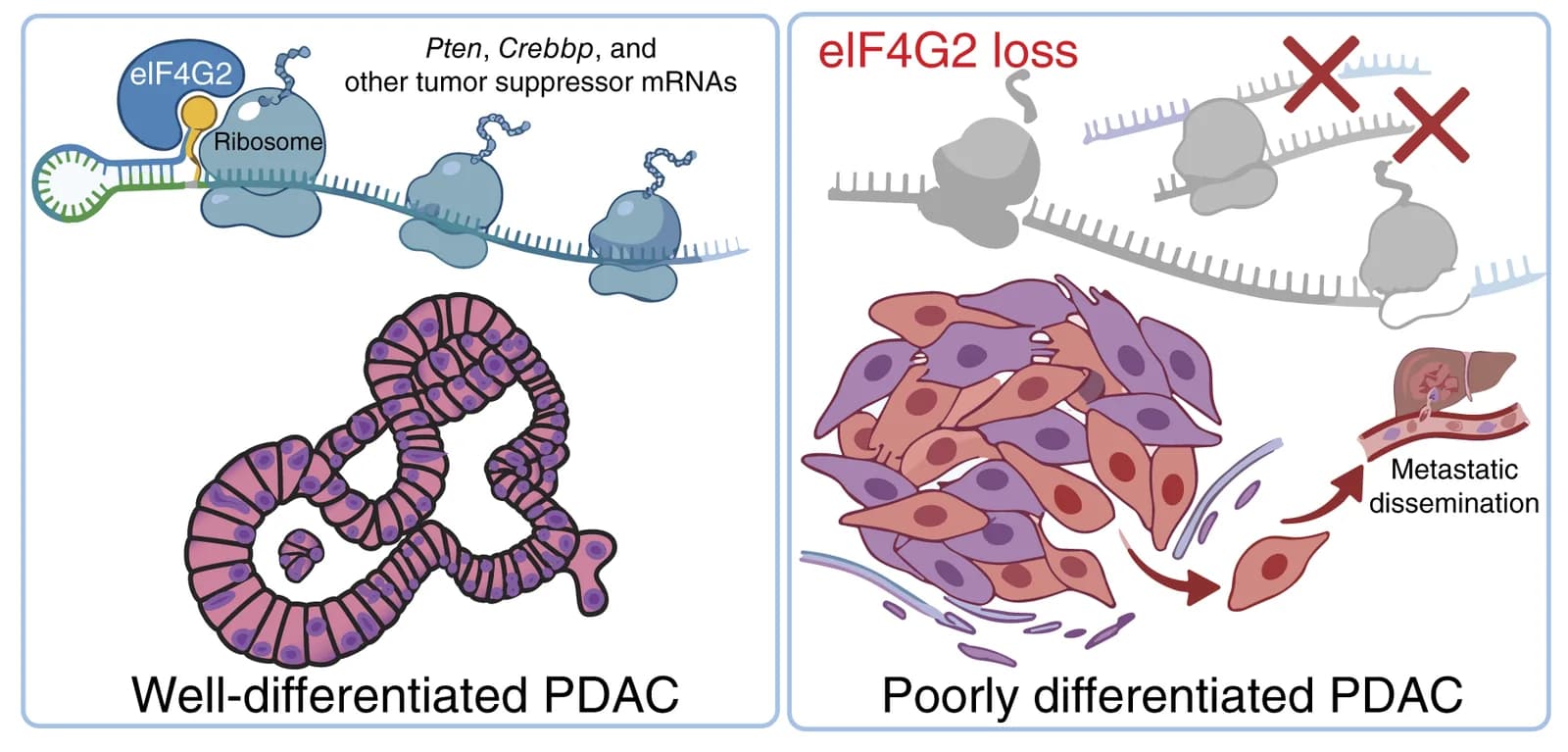
eIF4G2-Dependent Translation Restrains Pancreatic Cancer Progression

IF15.0
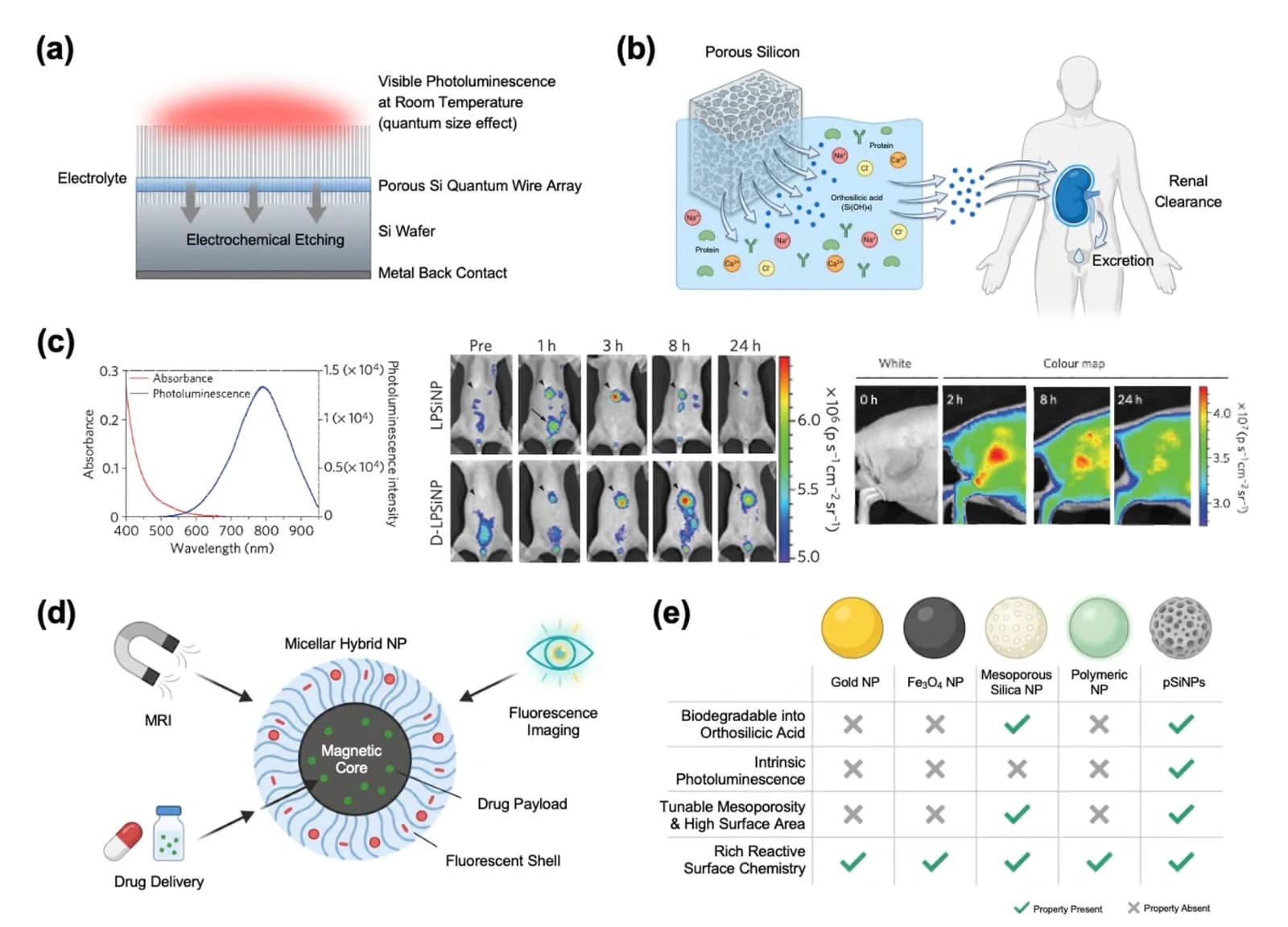
Problem-driven engineering of porous silicon particles: from fundamental challenges to multifunctional biomedical platforms

IF14.7
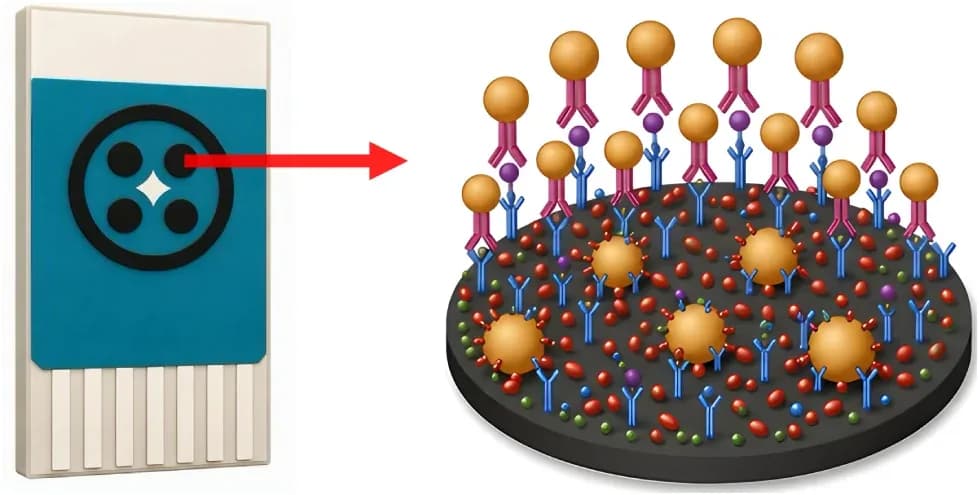
Electrochemical–LSPR Multiplexed Immunoassay with a Multi-Analyte Index for Sepsis-Associated Biomarkers
IF14.7
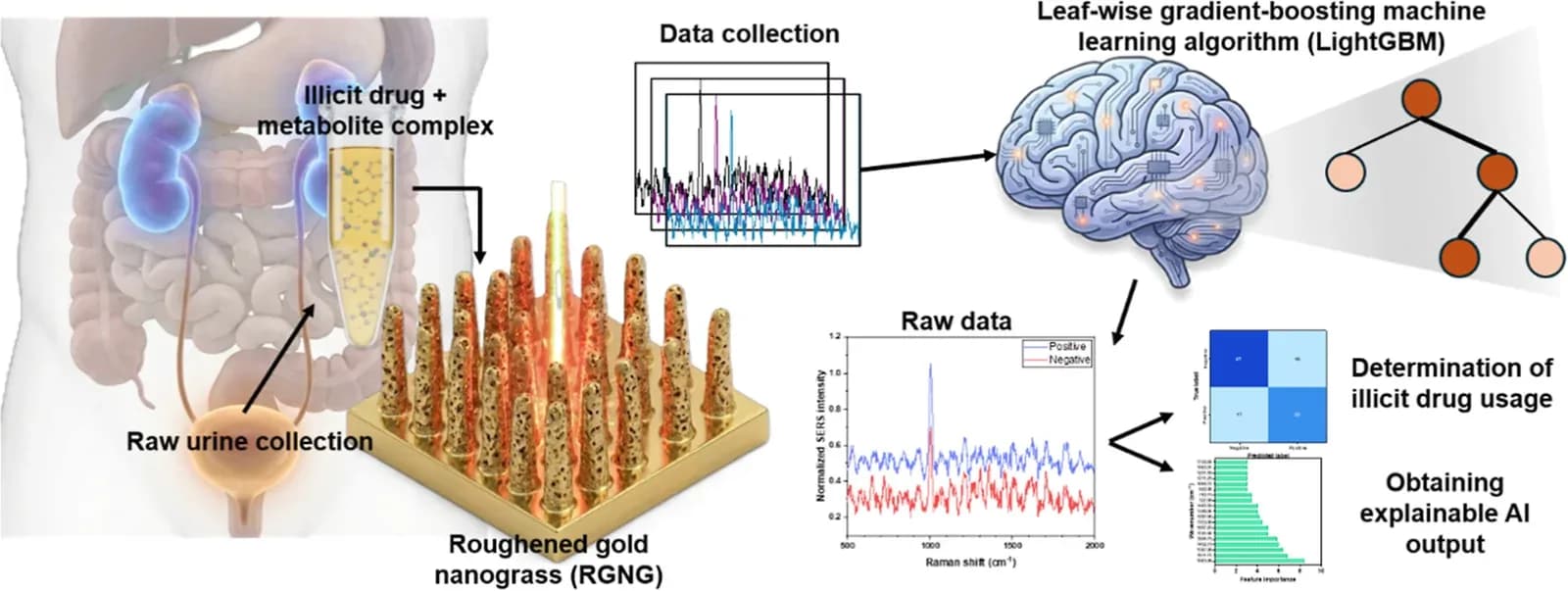
Interpretable Screening of Illicit Drugs in Raw Urine via LightGBM-Assisted SERS

IF13.9
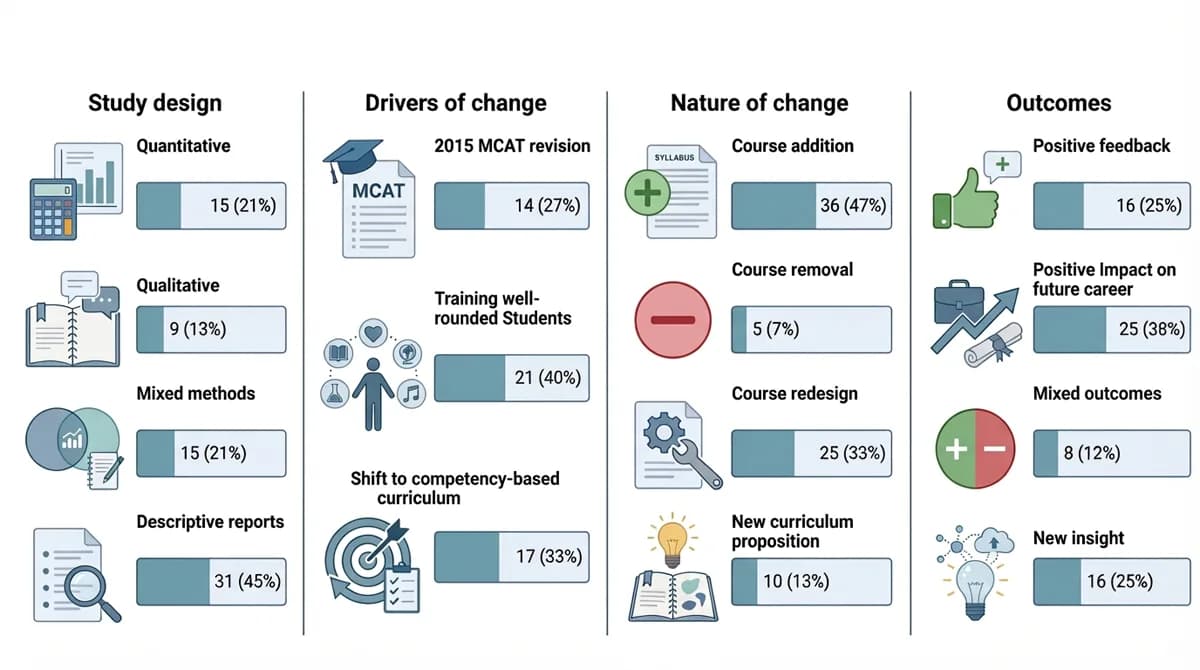
Retuning the Premedical Compass in American Programs Worldwide: Scoping Review

IF13.9
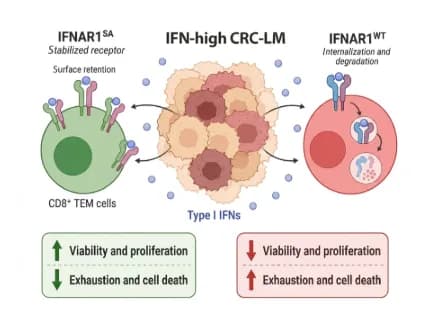
IFNAR1 stabilization sustains CD8+ T cell persistence in IFN-high colorectal cancer liver metastases

IF13.7
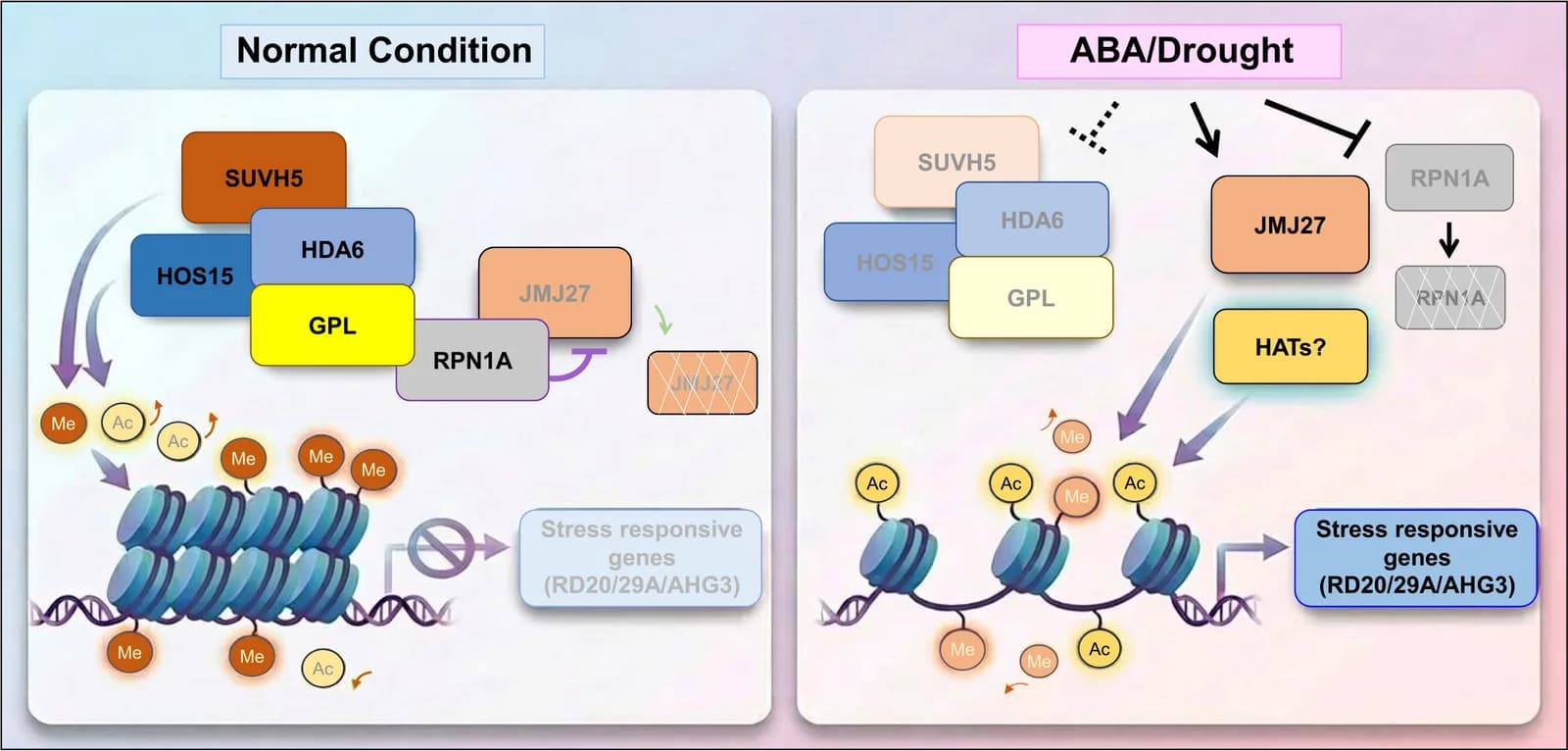
A GPS2-like protein interacts with HOS15 and HDA6 to form a repressor complex that regulates ABA signaling and drought adaptation in Arabidopsis

IF10.3
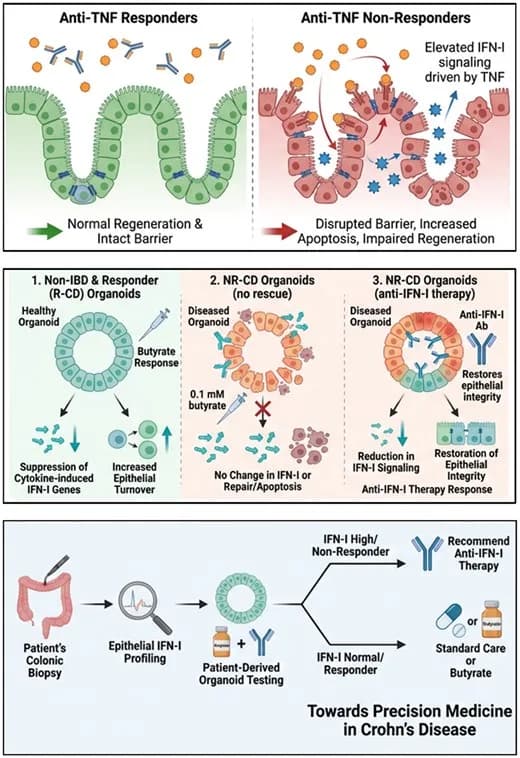
Targeting epithelial IFN-I signaling restores barrier integrity in anti-TNF refractory Crohn's disease

IF10.2
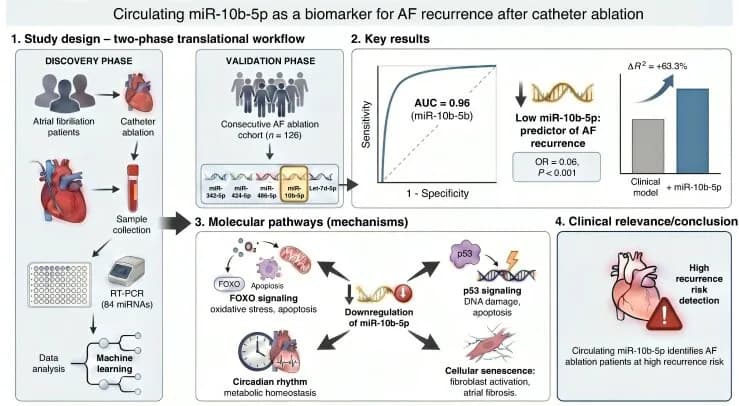
Circulating miR-10b-5p as a candidate biomarker of atrial fibrillation recurrence after catheter ablation: a two-phase translational study
IF40.1
Agree to disagree: Increasing the impact of recommendations formulated through Delphi methodology
IF45.1
Explosive cytotoxicity of ruptoblasts bridges hormone surveillance and immune defense
IF31.1
MitoCatch directs mitochondria delivery and prevents cell degeneration
IF22.7
Acidic niche sugar shield blocks ferroptosis: Cancer
IF12.5
Soil Biodiversity Supports Agroecosystem Services Under Multiple Global Change Factors
IF15.5
The silent infection load: How lifelong asymptomatic infections may contribute to inflammaging as an evolutionary trade-off of longevity
IF15.7
Neurogenic gastrointestinal, urinary, and sexual dysfunction in multiple sclerosis: a multidisciplinary framework for clinical practice
IF42.2
Unifying functional experimental systems with clinical predictive technologies for personalized care in PDAC
IF23.8
Preclinical models of COPD: a state of the art review
IF23.6
Tissue-derived extracellular matrix hydrogels instruct epigenetic adaptation in metastatic colonization
IF13.8
Clinical OCT computation-modeled prognosis of coronary plaque progression with validation by fusogenic macrophage nano-targeting
IF13.5
Photocopying the genetic lottery: a 2-gene shortcut to clonal seeds in rapeseed
IF11.6
A genetically regulated SKAP2 switch modulates human T lymphocyte adhesion and migration
IF14.1
Extracellular Vesicles: Classification, Biological Functions, Diseases, and Therapeutic Opportunities
IF17.3
Proteinized Surface Remodeling Decouples Environmental Stability from Intracellular Degradation in Oxidation-Prone 2D Nanoborophene
IF17.3
Multiplex K-Edge Nanoprobe Imaging Enables 3D Volumetric Molecular Phenotyping of Human Hematoma Membranes
IF15.8
The next generation of maternal vaccines: scientific advances, regulatory readiness, and strategic planning in Europe
IF22.6
eIF4G2-Dependent Translation Restrains Pancreatic Cancer Progression
IF15.0
Problem-driven engineering of porous silicon particles: from fundamental challenges to multifunctional biomedical platforms
IF14.7
Electrochemical–LSPR Multiplexed Immunoassay with a Multi-Analyte Index for Sepsis-Associated Biomarkers
IF14.7
Interpretable Screening of Illicit Drugs in Raw Urine via LightGBM-Assisted SERS
IF13.9
Retuning the Premedical Compass in American Programs Worldwide: Scoping Review
IF13.9
IFNAR1 stabilization sustains CD8+ T cell persistence in IFN-high colorectal cancer liver metastases
IF13.7
A GPS2-like protein interacts with HOS15 and HDA6 to form a repressor complex that regulates ABA signaling and drought adaptation in Arabidopsis
IF10.3
Targeting epithelial IFN-I signaling restores barrier integrity in anti-TNF refractory Crohn's disease
IF10.2
Circulating miR-10b-5p as a candidate biomarker of atrial fibrillation recurrence after catheter ablation: a two-phase translational study
Who can apply
Anyone who has published a paper that mentions FigureLabs
How it works
- ACKNOWLEDGMENT
Figure [X] was created using FigureLabs (figurelabs.ai).
01Acknowledge your use.
Mention FigureLabs or figurelabs.ai in a figure caption, Methods, or Acknowledgments.
- ✓02
Share your paper.
Share your paper details, where FigureLabs is mentioned.
- PRO3monthsfor your next idea✦03
Keep creating.
After verification, receive 1–3 months of Pro based on the journal tier.
Journal rewards
Pro is awarded by journal tier. Each paper qualifies for one level.
JCR Q1 or Scopus/CiteScore Q1
JCR Q2 or Scopus/CiteScore Q2
JCR Q3 or Q4, or indexed in Scopus, DOAJ, PubMed, or another recognized database without a quartile
Journal tier is based on the verified JCR or Scopus/CiteScore quartile at publication. If multiple valid quartiles apply, the higher tier is used.
A simple way to acknowledge FigureLabs.
Choose the wording that matches how you used FigureLabs, or write your own.
Figure [X] was created using FigureLabs (figurelabs.ai).Replace [X] with your figure or panel number.
Apply for your Pro reward.
Tell us about your paper and the account that should receive the reward.